
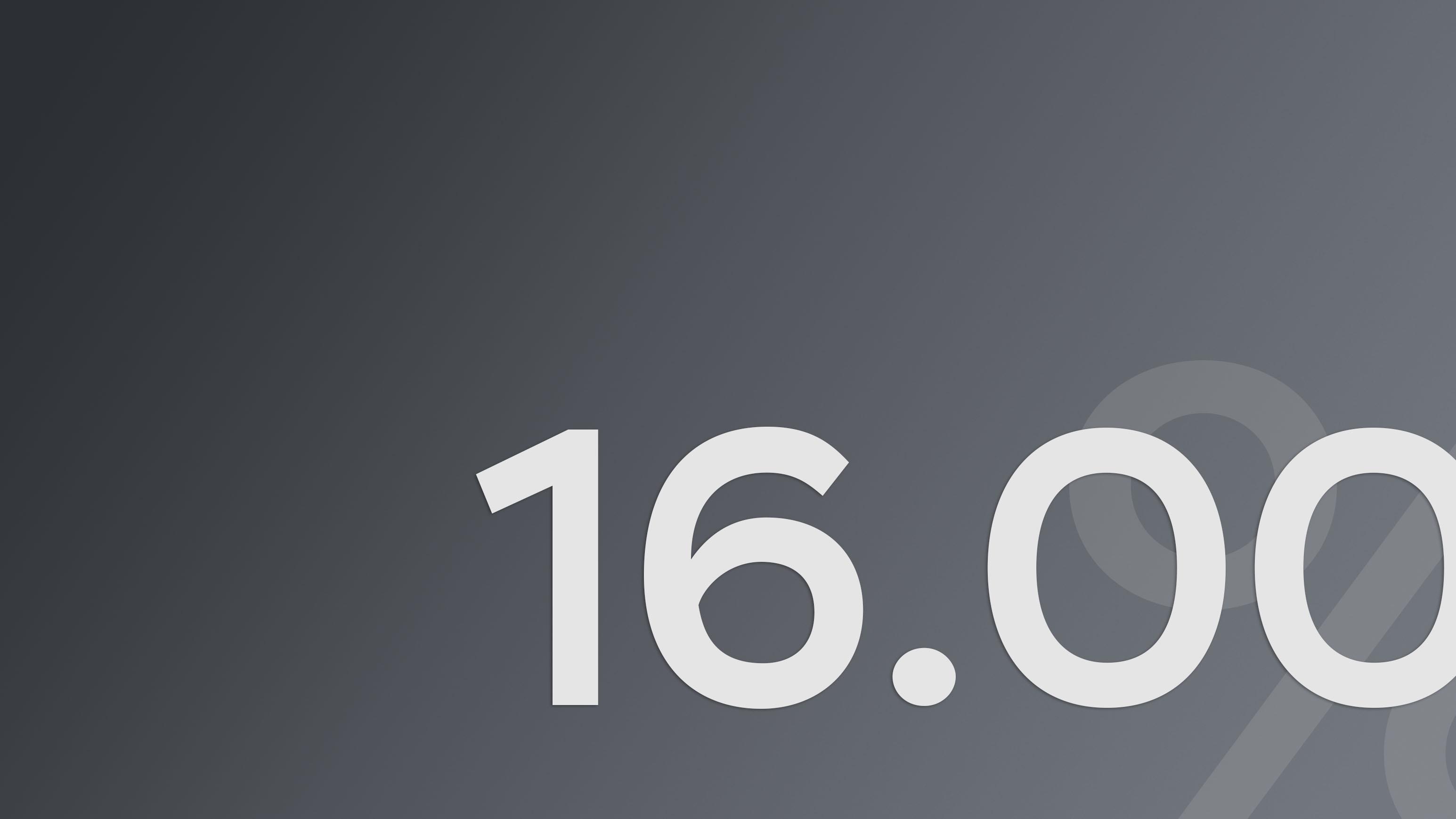
On 19 December 2025, the Bank of Russia Board of Directors decided to cut the key rate by 50 basis points to 16.00% per annum. The economy continues to return to a balanced growth path. Underlying measures of current price growth declined in November. However, inflation expectations have edged up in recent months. Lending activity remains high.
The Bank of Russia will maintain monetary conditions as tight as required to return inflation to the target. This means that monetary policy will remain tight for a long period. Further decisions on the key rate will be made depending on the sustainability of the inflation slowdown and the dynamics of inflation expectations. According to the Bank of Russia’s forecast, given the monetary policy stance, annual inflation will decline to 4.0–5.0% in 2026. Underlying inflation will reach 4% in 2026 H2. In 2027 and beyond, annual inflation will stay on target.
In October–November, the current seasonally adjusted price growth slowed to an average rate of 4.6% in annualised terms from 6.6% in 2025 Q3. The similar indicator of core inflation saw no significant changes, averaging 4.3%, compared to 4.1% in the previous quarter. In November, underlying inflation measures predominantly declined in annualised terms. However, most measures remained above 4% on average over recent months. Annual inflation stood at 5.8% as of 15 December 2025 and is expected to be below 6% by the end of 2025.
In recent months, volatile items have significantly affected the dynamics of the current price growth. These items included motor fuel as well as fruit and vegetables. Price dynamics remain uneven across consumer basket components.
Inflation expectations rose somewhat. Elevated inflation expectations may impede a sustainable slowdown in inflation.
According to the Bank of Russia, when the effect of the VAT increase and the indexation of administered prices and tariffs fades, disinflation will continue. This will be supported by tight monetary conditions.
The upward deviation of the Russian economy from a balanced growth path is decreasing. Overall economic activity growth continues at a moderate pace, but the dynamics are uneven across sectors. Domestic demand is backed up by rising household incomes, expanding lending activity, and budget expenditures.
The labour market tightness is gradually decreasing. According to surveys, the percentage of enterprises experiencing labour shortages continues to shrink. Companies are planning more moderate wage indexations in 2026 compared to 2023–2025. Meanwhile, unemployment remains at historical lows, and wage growth is still outpacing the growth in labour productivity.
Monetary conditions have somewhat eased overall, though remaining tight. Money market rates and OFZ yields went down. Lending rates slightly decreased and almost fully adjusted to the earlier monetary policy easing. Non-price bank lending conditions are still tight.
Households continue to demonstrate high propensity to save. The retail loan portfolio growth is generally moderate. In 2025 H2, corporate lending has been growing much faster than in 2025 H1.
Proinflationary risks still prevail over disinflationary ones in the mid-term horizon. The key proinflationary risks are associated with a longer upward deviation of the Russian economy from a balanced growth path and high inflation expectations, the effects of the increase in VAT and administered prices as well as with the deterioration in the terms of external trade. A further decrease in the growth rate of the global economy and oil prices in case of escalating trade disputes may have proinflationary effects through the ruble exchange rate dynamics. Geopolitical tensions remain a significant uncertainty factor. Disinflationary risks involve a more significant slowdown in domestic demand.
The Bank of Russia takes into account the announced parameters of fiscal policy. In the mid-term horizon, fiscal policy will help slow down inflation. Changes in the fiscal policy parameters may require an adjustment in the monetary policy pursued.
On 29 December 2025, the Bank of Russia releases the Summary of the Key Rate Discussion.
The Bank of Russia Board of Directors holds its next key rate meeting on 13 February 2026. The press release on the Bank of Russia Board decision and the medium-term forecast are to be published at 13.30 Moscow time.
The reference to the Press Service is mandatory if you intend to use this material.
19.12.2025 13.30.00